Alocasia Frydek Variegata, commonly known as the Variegated African Mask Plant, is a stunning member of the Alocasia genus, prized for its unique, striking foliage. This tropical plant has garnered attention in the houseplant community for its dramatic leaf patterns and variegation, making it a favorite among collectors and enthusiasts. Understanding its care requirements, propagation methods, and potential issues is essential for successfully cultivating this beautiful plant.
Appearance and Foliage
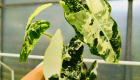
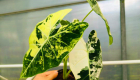
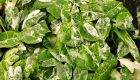
Alocasia Frydek Variegata is best known for its lush, heart-shaped leaves that can grow quite large, often reaching lengths of 12-18 inches. The leaves are a deep green color, with striking variegation that can include creamy white or pale yellow streaks, speckles, or patches. Each leaf has a glossy finish that enhances its aesthetic appeal. The variegation is unique to each plant, meaning no two specimens are exactly alike. This makes the Alocasia Frydek Variegata especially coveted by plant collectors who appreciate the individuality of each plant. The leaf veins are pronounced and create a beautiful contrast against the variegated surfaces.
Growth and Care Requirements
Care Requirements Successfully cultivating Alocasia Frydek Variegata requires attention to its specific care needs. Here’s a detailed look at the essential factors to consider:
**Light** Alocasia Frydek Variegata thrives in bright, indirect light. While it can tolerate some direct sunlight, especially in the morning, prolonged exposure can scorch the leaves and damage the beautiful variegation. The ideal location for this plant is near a window with filtered light or in a well-lit room that does not receive harsh sunlight. Inadequate light can lead to leggy growth and reduced variegation. If you notice that the plant is stretching toward the light source, it may be an indication that it requires brighter conditions.
**Watering** watering is crucial for the health of Alocasia Frydek Variegata. The plant prefers consistently moist soil but is susceptible to root rot if overwatered. The key is to allow the top inch of the soil to dry out between waterings. A good rule of thumb is to water when the soil feels slightly dry to the touch. During the growing season (spring and summer), the plant may require more frequent watering. However, in the dormant winter months, reduce watering to prevent excess moisture in the soil. It’s important to use a pot with drainage holes to ensure excess water can escape.
**Humidity** As a tropical plant, Alocasia Frydek Variegata thrives in high humidity levels. Ideally, humidity should be maintained between 60% to 80%. Low humidity can cause the leaf tips to turn brown and may lead to overall plant stress. To increase humidity, consider placing the plant on a pebble tray filled with water or using a humidifier in the room. Regular misting can also help, but be cautious not to wet the leaves excessively, as this can lead to fungal issues.
**Temperature** The ideal temperature range for Alocasia Frydek Variegata is between 65°F to 80°F (18°C to 27°C). The plant is sensitive to cold drafts and sudden temperature changes, which can lead to stress and leaf drop. Keep the plant away from air conditioning vents, heaters, and drafty windows during colder months.
**Soil** Alocasia Frydek Variegata requires well-draining, rich potting soil to thrive. A mix that includes components like peat, perlite, and orchid bark can provide the aeration and drainage the plant needs. This mix helps retain moisture while preventing waterlogging, which can lead to root rot.
**Fertilization** During the growing season, it’s beneficial to fertilize Alocasia Frydek Variegata every 4-6 weeks with a balanced, water-soluble fertilizer. A diluted fertilizer with equal parts nitrogen, phosphorus, and potassium (e.g., 20-20-20) will support healthy growth. During the winter months, reduce or eliminate fertilization as the plant enters dormancy.
**Pests** Common pests that may affect Alocasia Frydek Variegata include: – **Spider Mites**: These tiny pests thrive in dry conditions and can cause stippling on leaves. Regular misting and maintaining humidity can help prevent infestations. – **Mealybugs**: These pests appear as cotton-like clusters on leaves and stems. Treat infestations with insecticidal soap or neem oil. – **Scale Insects**: These pests may appear as small bumps on stems and leaves. They can be removed with a cotton swab dipped in alcohol.
Conclusion
Alocasia Frydek Variegata is a captivating plant that combines beauty with manageable care requirements. With its stunning foliage, moderate size, and distinctive variegation, it appeals to both novice and experienced plant enthusiasts. By providing the right conditions—appropriate light, humidity, and watering practices—you can enjoy the vibrant beauty of this plant in your home for years to come. Its ease of propagation and resistance to many common pests make it a rewarding addition to any indoor plant collection. Whether displayed solo or as part of a larger arrangement, Alocasia Frydek Variegata is sure to impress with its exotic charm.







 EN
 RU
 FR
 ES
 IT
 JA
 KO
 AR